Stage 32 TV Animation Lab: Build an Outline and Pitch Deck for Your Animated Television Show in 5 Weeks


Other education that may be of interest to you:
Animation Business 101
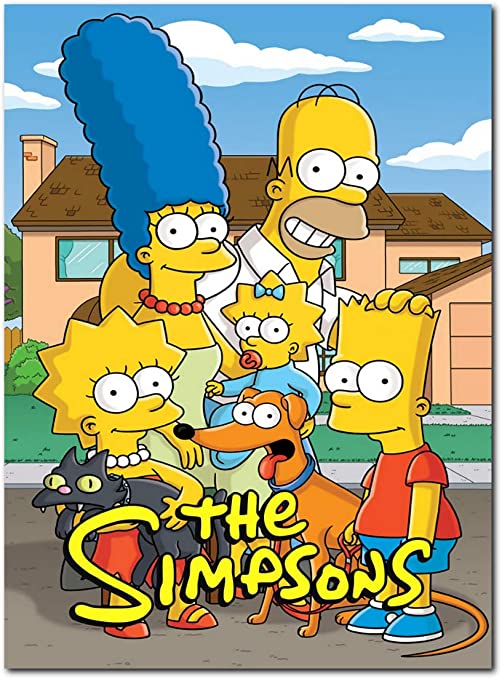
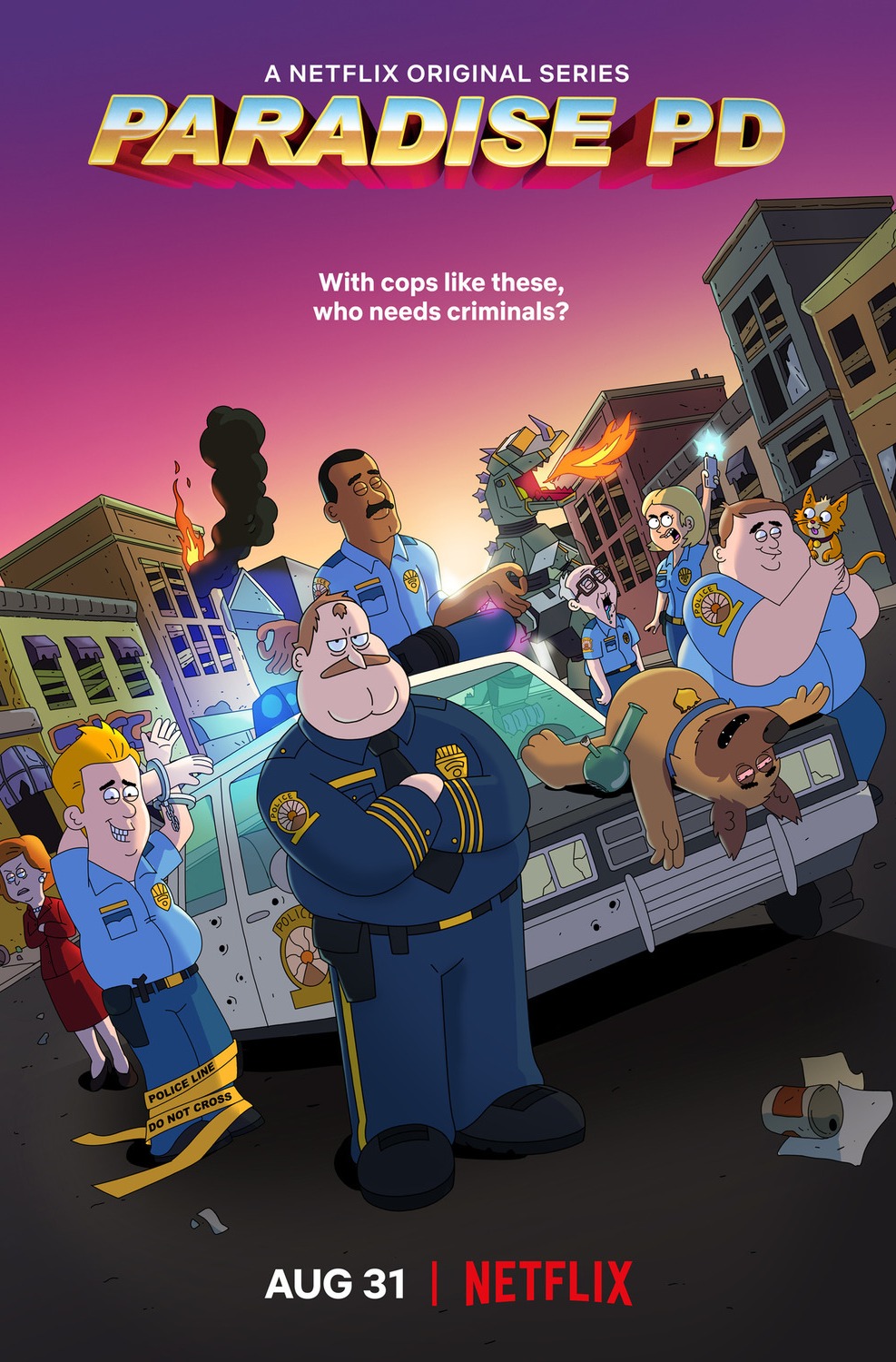
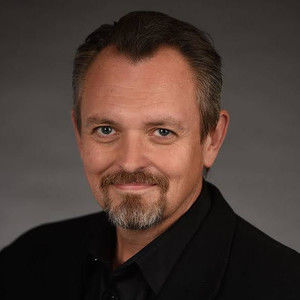
Learn from an accomplished animation writer, director, and artist with 25 years of experience, including directing the animated series THE SIMPSONS and PARADISE P.D. on Netflix. Plus! Receive exclusive handouts to help guide your animation career forward from Mike! Are you an artist or creator who dreams of a secure job at an animation studio? Have you developed a portfolio or resume based on the animation trends of recent years? The animation business is rapidly changing, and what seems like the “safe” or “best” path to success might actually be working against you. For example, think of how switching to CG movies upended the animation industry. With so much happening today, you must understand the current animation business and how things are changing to also find your place as an artist. In this exclusive Stage 32 on-demand webinar, you’ll examine how the animation business is moving forward following the cuts in streaming opportunities, the collapse of indie distribution, and the rise of the multi-platform model. You’ll cover studio versus network animation, what buyers look for in projects, changing production budgets, the impact of tech companies, international developments, where the opportunities are for you, and so much more. You’ll also see where you can find financial security while also having creative freedom as an artist. Guiding you through this webinar is a professional who has built a successful career in animation for 25 years thanks to his ability to understand the business and adapt to it. Your instructor, Mike Disa, is an accomplished director, producer, writer, and artist. Mike has directed animated series like Netflix’s PARADISE PD and THE SIMPSONSON, and has worked with nearly every major animation studio, including Disney, Dreamworks, WarnerBros, Paramount, and many others. Throughout his career, Mike has worked with some of the most well-known industry players and talents, such as Steven Spielberg, Roy Disney, Jeffrey Katzenberg, Eric Goldberg, Ralph Bakshi, Glenn Close, Steve Oedekerk, David Tennant, Amy Poehler, and Adam Sandler, among others. Mike regularly shares his vast knowledge of the animation business exclusively through Stage 32 and has taught countless creators to focus their talents and take their careers to the next level. At the end of this webinar, you’ll know the state of the animation industry, where it’s headed, and the opportunities available for your projects and your career. Don’t miss out on your chance to meet Mike and discover the best way to navigate the animation business for you. PRAISE FOR MIKE'S PREVIOUS STAGE 32 EDUCATION: "I had the chance to follow this workshop, and it was worth every penny. Mike Disa is an amazing teacher." -- Christian N. "...Mike is an awesome person to work with!!! He has extensive experience in the industry and shared what is relevant to my project." -- Saundra M. "...There was a profound statement that I'm going to paraphrase from Mike Disa in his Animation Writer's Lab (Great lab by the way): An amateur spends a lot of time writing. A professional gets a lot of stuff written." -- Martin D.
How to Make Short Form Animation Content That Gets You Noticed
As animators we pour our heart and soul into creating content we can be proud of. What most people don't realize is how many hours, days, months and even years it takes to create even the shortest form animation content to showcase your skills. Often you aspire to be noticed, not only by a viewing audience, but also by professionals who can help move the needle on your career. So how can you be assured that all your time and effort will pay off by not only reaching the widest audience possible, but by those who can help you get to the next level? Writing, boarding and creating animation content takes immense discipline. It takes the distinguished voice of a storyteller, the skillful eye of a director and the polished chops of an artist to make your vision come to life on screen. Once you've decided to embark on the path of creating content, how do you go about getting noticed? Animation is difficult to break into, but it's certainly not impossible and you CAN be seen by people that matter if you take the right steps to creating your content and getting it out there online. You have powerful tools in your hands and at your disposal through platforms like Vimeo, YouTube, Instagram and more - if you know how to use them to your advantage. Mike Disa knows a thing or two about animation. He's been working in the industry for over two decades and is currently the lead director on Netflix's hit show Paradise PD. He's worked with companies such as Disney, Dreamworks, Warner Bros., Paramount, and many others on feature films, television shows and digital series. Before he got his start, he knew no one in animation or entertainment and used his own methods to get noticed and sustain a nearly twenty five year career, which he will share with you. Mike will teach you what type of content you can create that will help you stand out online to those working in animation. You will learn how online platforms can be best utilized to show your content and learn to set clear goals of what you are trying to get out of creating content and reach your target audience. You will know what to expect if you embark on the path for the genre of animation you work in. Mike will walk you through the development process to make sure your time is worth it before you start investing your time creating content. And, Mike will even walk you through how to promote yourself to get noticed! Remember, it just takes one champion of you and your work to kick start your career and Mike will help you know what type of content you can create and how you can get it out there in the right places to capture the right person's eye! PRAISE FOR MIKE'S TEACHINGS ON STAGE 32: "Mike Disa was amazingly generous with his time and information. And he was real. It doesn't get better than that. I'll be able to apply his insights and the information he shared immediately. I'm so glad I decided to participate." - Elizabeth A. "The webinar was excellent and very well paced. I truly appreciated the honesty and straightforwardness of the presenter. I learned a lot and look forward to the next one." - Jerry M. "Excellent webinar. I think that I learned more than I expected to about animation writing and how it relates to working in the industry. I had a good time watching this and appreciate how kind everyone was with their time." - Kari H. "I believe such given information was highly inspirational, utterly legit and true regarding the industry and show business. I've always wanted to learn what it takes to write an idea for an animated series, and how to put it on screen, and this webinar truly answered these vital questions. Conclusively, I would really take these tips into consideration during the writing of my ideas, and would highly recommend them to those who are ambitious to spread their stories world-wide." - Mohammed H.
How to Direct for Animated Television
Think about the classic images of a director—sitting in a canvas chair, making a frame with your fingers and thumbs, yelling ‘action’ or ‘cut’. None of those things could even come up when you’re directing for animation, though. Honesty, the job of an animation television director doesn’t even exist within the public lexicon. If you’re not already directly within the television animation industry, you might not even have a basic sense of what goes into this line of work. Yet the role of an animation director is very real and getting to this level on an animated television show can be rewarding and lucrative. Top animated shows like THE SIMPSONS, BOB’S BURGERS, BOJACK HORSEMAN, PEPPA PIG and RICK AND MORTY succeed because of the top directing talent at the helm. If you’re a writer, an artist, an illustrator, a storyboard artist, a director or just passionate about animated television, there is a path forward to get into this landscape and work towards directing episodes of your dream animated show. But it might help to have a blueprint to get there, understand how the world of animated TV works, how people become directors within this world, and what directors actually do. Veteran director Mike Disa is here to offer you this very opportunity. Mike Disa is the director of the hit Netflix series PARADISE PD and has been in the animation industry for over twenty-five years. Mike found success working with studios such as Dreamworks, Disney, Warner Bros., Paramount, and many others. Over a fascinating career, Mike has worked with some of the greatest and most infamous people in Hollywood including Steven Spielberg, Eric Goldberg, Ralph Bakshi, Glenn Close, Steve Oedekerk, David Tennant, Amy Poehler, Adam Sandler, Jeffery Katzenberg and Roy Disney. Mike Disa has extensive knowledge of countless facets of animated TV and film. Mike will give you the nuts and bolts on the overall landscape and the details of what it takes to direct for animated TV. Mike will begin by discussing what it actually is that a TV animation director does and how it differs from other types of directing. He’ll go over the relationship between storyboarding and directing and one can, but doesn’t necessarily, lead to the other. He’ll discuss the how to be successful, valuable, and noticed while working on animated TV and how that will differ at an indie company compared to a larger studio. Mike will then walk you through the different types of animated TV, including children’s scripted, prime time scripted, anime, and premise-driven unscripted, and how the role and expectations of the director differ from one category to another. Next, Mike will delve into the general TV animation pipeline, the 9 steps you should expect from script to finished product. Mike will discuss the dangers of getting typecast within the animation world and how to navigate this tricky area. He will then walk you through 13 necessary skills you will need to learn and display in order to become a director and what skills might not be as important as you think. Mike will prepare you for the biggest challenges of this line of work and go through 5 common mistakes directors make. He’ll then discuss what sort of pathway there is to creating your own animated show and the way to make a lot of money in this line of work. He’ll finally give some practical advice on how to better succeed within the world of animation, including the benefits of getting an agent and the possibility of switching to live action down the line. Praise for Mike's Webinar: "Mike is clear, insightful and conveys ideas and concepts very well. It was an excellent webinar!" -Jon P. "Mike Disa was amazingly generous with his time and information. And he was real. It doesn't get better than that. I'll be able to apply his insights and the information he shared immediately. I'm so glad I decided to participate." - Elizabeth A. "The webinar was excellent and very well paced. I truly appreciated the honesty and straightforwardness of the presenter. I learned a lot and look forward to the next one." - Jerry M. "Great information, Mike did an awesome job and I will look forward to his next webinar." - Diane M.
How to Start a Career in Animation
Animation in both film and television has found increased popularity in recent years. Since it’s possible for the bulk of the work of animated films and television to be completed from home or while socially distanced, the industry has been flourishing as more players are turning to this format. As a result, this is a prime and exciting time to take your first steps into this world and find your space within it. The tools you need to succeed in animation are quite unique, but once honed, they can offer you a long and fulfilling creative career. Many are surprised by just how different the world of animation is to its live action counterpart, both in television and film. Animation plays by different rules, different hierarchies, different schedules, different expectations, different everything. That’s why approaching a career in animation the way you’d approach one in another field of the entertainment industry just won’t work. To find your place in animation and build a long-lasting career, you first need to understand how the business works and where you can best fit in. Mike Disa is an accomplished director, producer, writer, and artist who directed on shows like the hit Netflix series PARADISE PD and has been in the animation industry for over twenty-five years. Mike found success working with studios such as Dreamworks, Disney, Warner Bros., Paramount, and many others. Over a fascinating career, Mike has worked with some of the greatest and most infamous people in Hollywood including Steven Spielberg, Eric Goldberg, Ralph Bakshi, Glenn Close, Steve Oedekerk, David Tennant, Amy Poehler, Adam Sandler, Jeffery Katzenberg and Roy Disney. A favorite and fixture among the Stage 32 community, Mike is deeply entrenched in the world of animation and knows better than most what it takes to build a career in this industry Mike will walk you through what the animation industry looks today, both in film and television, and teach you how best to find your place within it. He will begin with animated TV and go over its financial models of production. He’ll explain what the animated TV industry looks like on broadcast, cable and streamers and go through the rating system widely used. Mike will also explain the types of animated shows currently being made and how best you can place your own show. He will also discuss representation, why you need it and how to get it. Mike will then move on to animated features and explain the financial models here, for studio films, indies, and what the “Bluth Bubble” is. He’ll also discuss domestic vs. international animation, incorporating toys and merchandise, and the balance between art and commerce. Finally Mike will explain how to find your own place in the future of animation. The world of animation might be an anomaly compared to the rest of Hollywood, but Mike will give you the understanding to walk in with your eyes open and find success. Praise for Mike's Previous Stage 32 Webinars: Mike’s knowledge is sound and extensive. His vision for what’s happening now and what we are to expect in the future is brilliant. I could listen to him forever. -Jane D. "Mike Disa was amazingly generous with his time and information. And he was real. It doesn't get better than that. I'll be able to apply his insights and the information he shared immediately. I'm so glad I decided to participate." - Elizabeth A. "The stories and ideas and descriptions were excellent. Straight talk from a true professional." - Don S. I loved the wealth of content and Mike's humor. -Prema R.
Make Your Animated Series or Film a Reality by Working With an Overseas Studio
Animation is one of the few types of productions that hasn’t slowed down or halted due to the pandemic. Since it’s possible for the bulk of the work of animated films and television to be completed from home or while socially distanced, animation has been flourishing as more players are turning to this format. With these ongoing changes in animated film and television production and financing, it’s now more important than ever to develop solid relationships to get into animation, and especially with overseas animation studios to successfully produce your own animated project. The truth is you’ll be hard-pressed to find many animated projects that are fully financed and produced in America. In fact, well over half of the work of most animated projects is done overseas, and that number is only rising as the industry continues to change. Working with overseas company is the norm and something that might be necessary if you are working towards producing your own animated project. Yet there’s more to gain in working with companies overseas than simply avoiding being left behind. Working with other countries opens the door for better tax breaks and lower cost and overhead. Going global might be the best step you can take in making your animated project a reality, but it requires a deep understanding of how this pipeline works and how to get your foot in the door. Mike Disa is the director of the hit Netflix series PARADISE PD and has been in the animation industry for over twenty-five years. Mike found success working with studios such as Dreamworks, Disney, Warner Bros., Paramount, and many others. Over a fascinating career, Mike has worked with some of the greatest and most infamous people in Hollywood including Steven Spielberg, Eric Goldberg, Ralph Bakshi, Glenn Close, Steve Oedekerk, David Tennant, Amy Poehler, Adam Sandler, Jeffery Katzenberg and Roy Disney. A favorite and fixture among the Stage 32 community, Mike has directed and produced movies and television with over a dozen overseas partners and wants to tell you how it's done. Mike Disa will walk you through the why and how of producing your animated project with an overseas company to best position it for success. He’ll begin by explaining the three basic models of animation production and how each works within a global pipeline. He’ll then explain why you should work with an overseas animation company and will outline both the benefits and negatives of doing this. He’ll then give you tools in how to best start a relationship with an overseas company and explain the difference between an overseas company, an overseas company with American offices and an American company with overseas offices. Next, Mike will explain how financing works with overseas companies and what these companies are looking for in an American partner. He’ll then delve into how the crash of movie theaters has affected the overseas markets and partnerships. Next he will focus on the impact Netflix animation has had on the industry as a whole and address the question “is everything bad Netflix’s fault?” Mike will teach you about how ownerships and participation work when working with overseas animation companies and will delve into why Chinese and Indian money is different than other money. Finally he will spend time explaining the problems Brexit is causing and how you can navigate these issues. Through covering these topics, Mike will give you a thorough blueprint of how to think and work globally and give your animated project success. Praise for Mike's Stage 32 Webinar: It was really advanced stuff, and great advice. I appreciate that he was willing to stick around as long as he did to answer questions. -Shari E. I loved the wealth of content and Mike's humor. -Prema R. "Amazing" - Nilfredith S. Loved the host and the webinar! Mike’s knowledge is sound and extensive. His vision for what’s happening now and what we are to expect in the future is brilliant. I could listen to him forever. -Jane D.
Create Your Own IP: How to Adapt Your Existing Script into a Podcast as Proof of Concept
A Writer/Director/Producer Who Has Worked With Dreamworks, Disney, Warner Bros. and Paramount and Who Produced His Own Podcast Based On A Script He Wrote Shows You How The world of podcasts has exploded and become an industry to be reckoned with. Over 125 million Americans listen to podcasts on at least a monthly basis, and individual shows can have millions of fans. We’re not just talking about nonfiction works like SMARTLESS or CRIME JUNKY; fiction podcasts are also thriving as more writers are turning to the audio medium to tell incredible stories. An art form in its own right, podcasts have also become a proving ground for stories to be adapted for television or movies. Shows like THE DROPOUT, WECRASHED, and THE THING ABOUT PAM would never have been greenlit or aired if they didn’t first find success and a fan base in podcast form. There might not be a better time than now to adapt your feature screenplay to the podcast medium. If you've had difficulty gaining attention for your screenplay, turning it into a podcast and attracting an audience may provide proof of concept for your story to move it to a show or feature. This type of intellectual property is golden. Adapting your screenplay, of course, easier said than done. Writing for audio is a very different process than writing for a film or TV. Podcasts are written to be experienced as real time events, which is entirely different from a feature or TV script. A good podcast must paint a picture with only words and sounds and be paced to pull a listener in despite any distractions around them. It must also be structured into short episodes that defy traditional film or TV act structure. So, how do you turn 100 pages of a script into a multi-episode podcast? How does writing character or story arcs change when adapting your feature script to multiple episodes? Having a better understanding of what goes into a great comedy, drama, or genre podcast and the rules and expectations that come with this unique format can position you for success in telling your story and finding an audience. Mike Disa is currently the director of the highly praised Netflix show Paradise PD and has been working in the industry, both in television and features, for two decades. With no film training or knowledge of the byzantine workings of the entertainment business, he eventually found success and has worked with studios such as Dreamworks, Disney, Warner Bros., Paramount, and many others. Over a fascinating career, Mike has worked with some of the greatest and most infamous people in Hollywood including Steven Spielberg, Eric Goldberg, Ralph Bakshi, Glenn Close, Steve Oedekerk, David Tennant, Amy Poehler, Adam Sandler, Jeffery Katzenberg and Roy Disney. Always an innovator, Mike recognized the interesting time right now for developing material based off of IP and took it upon himself to adapt his feature script SENTINELS: POINT OF NO RETURN into a 12-part podcast series, which is now produced. Having recently gone through the experience Mike is excited to share his approach and his lessons learned writing the adaptation exclusively with the Stage 32 community. Mike will walk you through the nuts and bolts of writing a fiction podcast and give you the tools you’ll need to adapt your long form script into this new medium. He’ll begin by discussing what the state of podcasts looks like today, including what kinds of podcasts are possible and the different formats of fiction podcasts that people are writing and which ones are currently popular. He’ll then delve into how to approach your podcast adaptation and which things you should decide on from the outset. This includes deciding on the format that will work best for your story, how to adapt your writing style to short form when you’re used to writing features or television, and whether you will use a narrator or go full “radio play”. He’ll also give you tips on how to plan for sound while starting to write. Mike will next go into detail on breaking your long form story into multiple short form episodes. He’ll give you tips on extending your story and show you where to put episode breaks within it. He’ll go over building tension between episodes between episodes and what goes into good cliffhangers on podcasts. He’ll also talk about how to avoid needing recaps between episodes. Next Mike will spend time talking about other writing challenges that come with this format, including how to paint a picture in audio form without creating awkward dialogue, the process of holding on to your subplots without your storytelling getting choppy, and how to use your first episode to grab your audience. He’ll also offer tips of how to give your characters separate voices. Finally, Mike will use his own podcast SENTINELS: POINT OF NO RETURN, which was originally written as a feature, to illustrate the process of adapting for podcasts. He’ll even share samples of both the feature and podcast versions of the SENTINELS script. If you’re excited about podcasts, curious about writing your own or adapting your feature script into one and don’t even know where to begin, start here. Praise for Mike's Stage 32 Webinar: FIVE STARS FOR MIKE!!! He is super-awesome! Can't wait for the next session. -Robert S. "Mike Disa is definitely one of the best. He provided advice that is actionable." -Martin R. "I loved how engaging Mike was. It felt like he was genuine and addressing each of us almost individually. I have honestly never had a better Stage32 experience!" -Elle C. "It was great to hear from Mike. What a professional and what great advice from someone who knows the business and the craft of writing for podcasts." -Mary S.
 Register / Log In
