How to Plan and Shoot Action Sequences - Learn From a SAG Award -Nominated Stunt Performer (THE MEG, AQUAMAN)


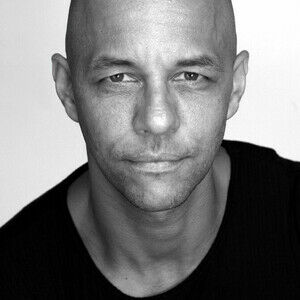
Webinar hosted by: Philippe Deseck
SAG-nominated Stunt Performer & Coordinator,
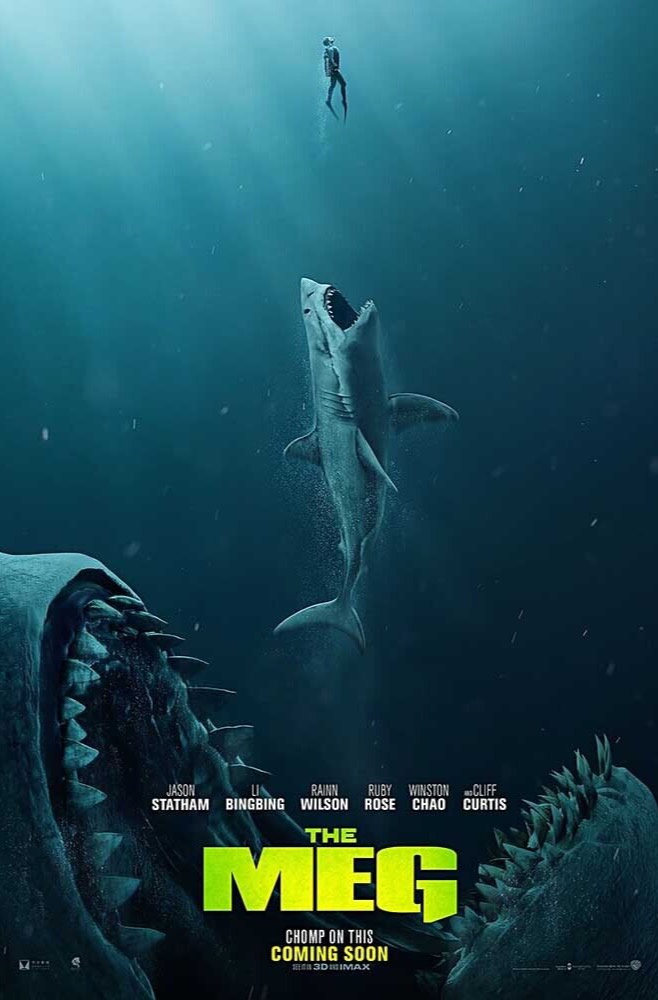
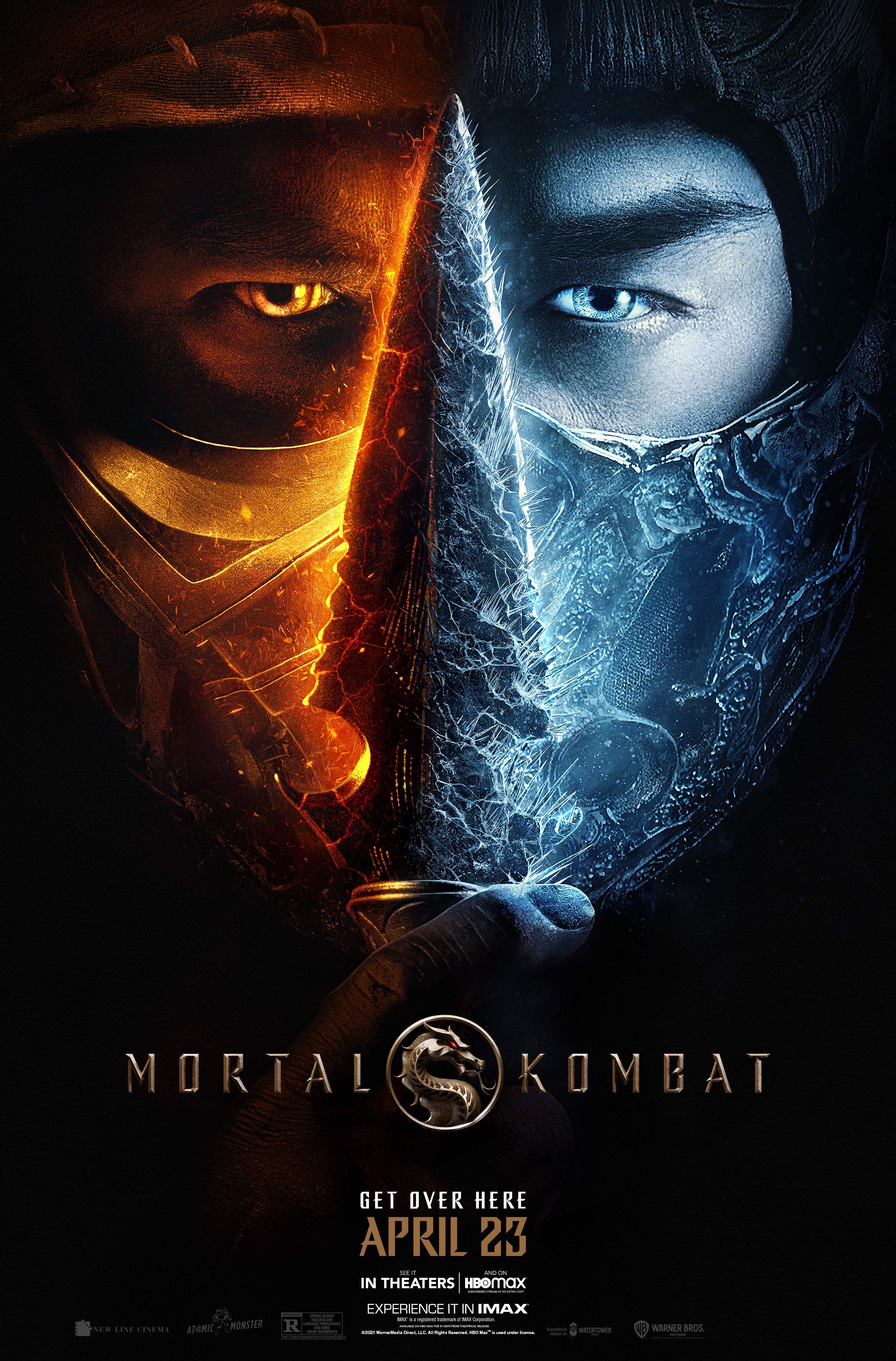
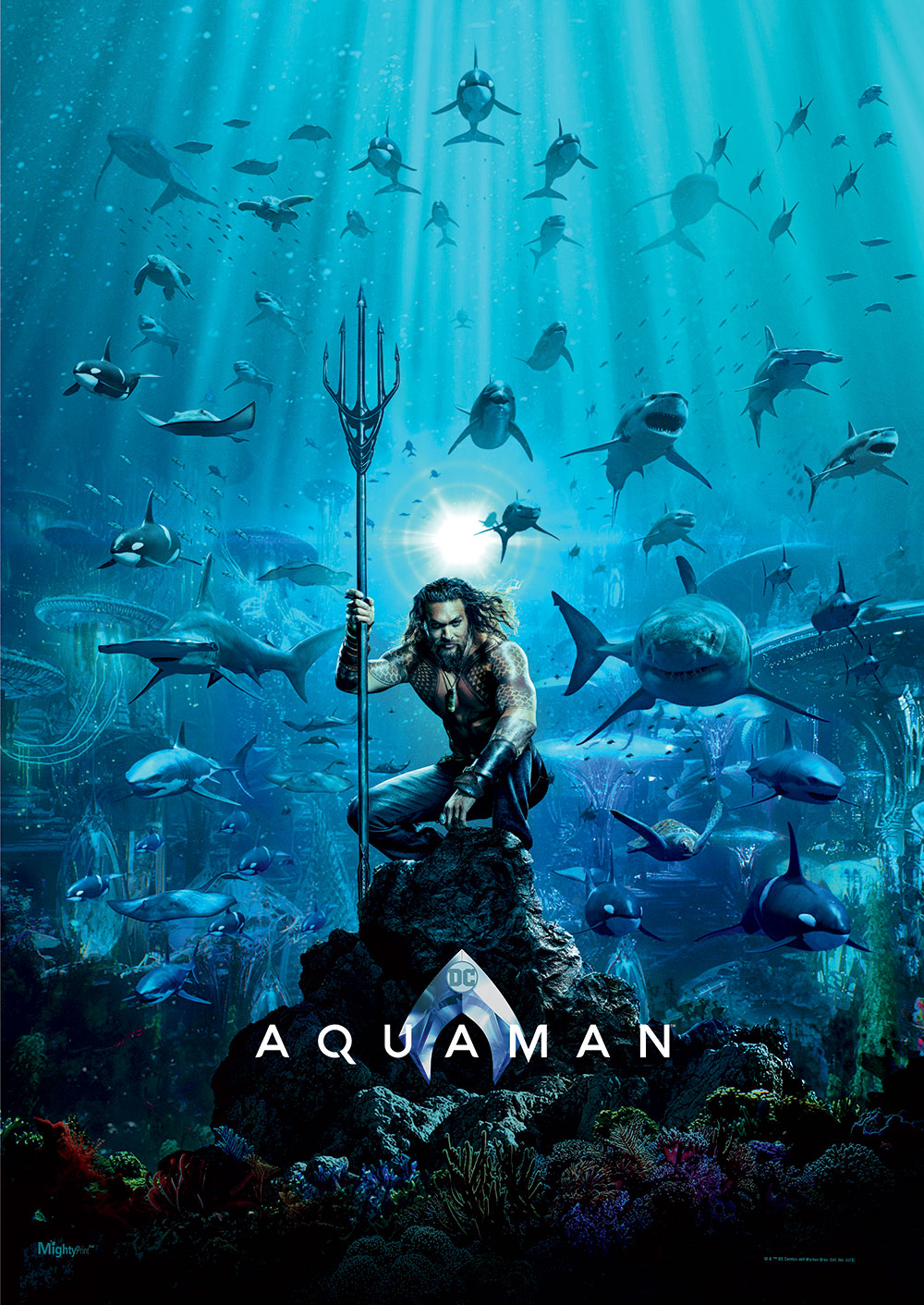
Philippe Deseck has been involved in the film industry for over twenty years as a Stunt Performer and Stunt Coordinator earning him a Screen Actors Guild Nomination for outstanding performance by a stunt ensemble in motion picture Shang-Chi and the Legend of the Ten Rings. Having worked on nearly 50 films & TV shows, some of his notable credits include Street Fighter, The Chronicles of Narnia: The Voyage of the Dawn Treader, Killer Elite, Spartacus, San Andreas, Kong Skull Island, Pirates of the Caribbean: Salazar’s Revenge, The Meg, Aquaman, Mortal Combat, The Tidings for Netflix and his SAG Nomination for Shang-Chi and the Legend of the Ten Rings and many more. He is regularly commissioned for major motion pictures to create the Previs where he recreates the live action sequences required in the script of the movie. He has hosted stunt workshops around the world for actors and is dedicated and passionate about a life in film and televison. Full Bio »
Webinar Summary

Learn everything you need to know about how prep and shoot a world-class action sequence in your films or TV shows from a SAG-nominated stunt performer and coordinator on THE MEG, AQUAMAN, MORTAL COMBAT, STREET FIGHTER, KILLER ELITE, SPARTACUS and more!
Action is a universal language in film.
A well designed and well shot action scene in a movie can define a film and be the most memorable part, whether its Steve McQueen's car chase in BULLITT or Tom Cruise's motorcycle jump in MISSION IMPOSSIBLE - DEAD RECKONING PART ONE. However, film schools tend to shy away when it comes to teaching students on how to shoot an action sequence. It’s either too dangerous, too expensive, stunt coordinators are required, insurance does not cover action sequences, or a myriad of other. reasons. As such, many filmmakers only focus on drama as they do now know how to craft and execute an action sequence in a professional and safe manner. The result is most filmmakers miss out on the opportunity to expand their film making skills when it comes to shooting action. On independent films, more often than not, action is usually the first thing producers will cut out of a script in order to meet their budget criteria.
In this exclusive Stage 32 webinar, stunt performer and coordinator Philippe Deseck will take you through the fundamentals of how to shoot an action sequence like a pro. Philippe has been involved in the film industry for over twenty years as a Stunt Performer and now Assistant Stunt Coordinator. Some of his films include THE MEG, AQUAMAN, MORTAL COMBAT, STREET FIGHTER, KILLER ELITE, SPARTACUS, SAN ANDREAS, KONG SKULL ISLAND, PIRATES OF THE CARIBBEAN: SALAZAR’S REVENGE, THE CHRONICLES OF NARNIA: THE VOYAGE OF THE DAWN TREADER, SHANG-CHI, and many more… In addition to his credits as a Stunt Performer, Philippe is gets involved in directing and editing, giving him expert perspective on how to create masterful action sequences from all sides. His skill has also taken him to performing safety on set and writing safety reports for action sequences. Philippe has also taught action workshops for actors and has taught stage combat at the New York Film Academy in Australia.
Philippe will teach you everything you need to know about shooting action sequences. He will demonstrate the basic fundamentals which can be applied to any action sequence and he will show you how to bridge the gap between a stunt coordinator and a director so they get the most out of every opportunity together. Building productive, effective and trusting relationships is an important part in any filmmaking process and it is critical when it comes to filmmakers and stunt coordinators.
In this information-packed webinar you will learn how to design an action sequence from script to final print on film and how you can collaborate with all relevant departments in order to get the shots required and piece them together to take your audience on a ride they will never forget. You will walk away with a comprehensive understanding of the different filming styles that are used in Hollywood and around the world, and you will get a true sense of how to create the illusion of action safely.
This webinar is a rare opportunity to educate yourself and open your mind to new possibilities of how to design your action sequences, shoot them and have them shown on the silver screen.

What You'll Learn
An Introduction to Stunts/Action
- What is the function of a Stunt Coordinator
- What is the function of a 2nd Unit Director
- What is the function of an Action Director
- What is the function of a Stunt Double
- What is the function of a Choreographer
What are the different hierarchy systems used in Hollywood and Asia
- What is the difference between Hollywood and Asia
- Where does the Stunt Coordinator fit in
- Where does the 2nd Unit Director fit in
- Where does the Action Director fit in
- Who are the most renown Action Directors in the film industry
- Recommended movies to watch
Designing your Action Sequence from Script to Final Product
- What’s your interpretation of the Script
- Deciding what System is going to be used in order to hire the right people
- Hiring a Stunt Coordinator, 2nd Unit Director, Action Director
- Using Insurance indemnity
- Thought pattern of the Stunt Coordinator
- Designing the Action with the Stunt Performers
- Designing the Action with the Actors
- Collaborating with the different HODs (Head of Departments) such as Art Department, Props Department, Costume Department, Make-Up Department, Special FX, Visual FX, DOP, Writers, Directors
- Creating a Pre-Set Design and demonstrating your Action Sequence
Filming an Action Sequence
- First Rule of Film Making
- What are the different filming Styles – Master Shots vs Sequential Shooting, Docu Drama Action, Symmetric Shots, Shakey Camera vs Steady shots on a tripod
- Story line of an Action Scene: Beginning – Middle and End, Protagonist, Antagonist
- Filming of Time within an Action Scene: Long Span of Time, Short Span of Time
- How to create the Illusion of Action: How to make things look real in an unreal manner
- How to Film an Action Sequence using Stunt Doubles
- How to Film an Action Sequence with Visual Effects in mind
- The Rule of Three shots per action
- Using a Stunt Lens
- Framing of an Action Shot
- The benefits of using Variable Frame Rates in your Action Scene
Previsualization
- Benefits of using Live Action Previsualization AKA Previs
- Examples of Previs with animation and without animation
- Different kinds of Previs used e.g. audience rating Previs
- What to look out for when presenting your Previs to Directors/Producers
Editing an Action Sequence
- Principles of Editing an Action Sequence
- The use of Sound FX
- The Difference of editing Master Shots vs editing Sequential Shooting Shots
How to Practice Shooting Action Sequences
- Find a simple action scene and recreate it shot for shot
- Create a storyboard of the action sequence
- Splice the action sequence and duplicate each shot
- Rehearse with your performers
- Use a camera with variable frame rates
- Use a camera with interchangeable lenses
- Start experimenting with your own shots
Q&A with Philippe
About Your Instructor

Philippe Deseck
FAQs
Q: How do I watch my webinar live?
A: If you received a confirmation that your webinar is on Go to Webinar, you will receive an email from Go to Webinar with further instructions for participating in the live webinar. You can also access your webinar link in your purchase history located under settings in the top right-hand corner of your Stage 32 profile.
If you received a confirmation that your webinar is on Zoom, you will receive a separate email from Zoom with further instructions for participating in the live webinar. Your login link will not be in your Stage 32 profile. If you did not receive your link via Zoom please email support@stage32.com.
Q: How do I watch my webinar on demand?
A: You will be able to watch your webinar on demand as many times as you’d like inside your Stage 32 profile. The recording is processed and posted between 24-48 hours after the webinar concludes. You can follow the instructions below.
YOU MUST HAVE A STAGE 32 PROFILE TO WATCH YOUR VIDEO – STAGE 32 IS FREE TO JOIN
If You Already Have a Stage 32 Profile:
- Log into your Stage 32 profile
- Click "Settings" in the top right-hand corner (gear icon)
- Click "Purchase History"
- Choose this webinar and click the link to view
- Go to www.stage32.com
- Create a profile using the SAME email address you used to sign up for this webinar. The email addresses must match in order to watch the webinar.
- Once you have your profile set up, you can view the webinar by clicking "Settings" in the top right hand corner (gear icon)
- Click "Purchase History"
- Choose this webinar and click the link to view
Q: What is the format of a webinar?
A: Stage 32 Next Level Webinars are typically 90-minute educational broadcasts that take place online using a designated software program from Stage 32. Your webinar will be taught by a working industry professional with in-depth teaching on a topic. If you are able to attend live you will be able to ask your Stage 32 Educator questions during Q&A.
Q: What are the system requirements to watch my webinar live?
A: You will need to meet the following system requirements in order to run the webinar software: Windows 7 or later Mac OS X 10.9 (Mavericks) or later.
If you have Windows XP, Windows Vista and Mac OS X 10.9 (Mountain Lion): The webinar software does not support these operating systems. If you are running one of those operating systems, please upgrade now in order to be able to view a live webinar. Upgrade your Windows computer / Upgrade your Mac computer.
Q: What if I cannot attend the live webinar?
A: If you cannot attend a live webinar or purchase an on demand webinar, you will have access to the entire recorded broadcast, including the Q&A.
Q: Will I have access to the webinar afterward to re-watch?
A: Yes! Like all Stage 32 education, after the purchase of a live or on demand webinar, you will have on-demand access to the recording.
Q: How do I get a copy of the handouts provided?
A: If the webinar you take included handouts you can find them as downloads underneath your on demand video. You must be logged into your Stage 32 profile to view the video and get the handouts by clicking settings in the top right hand corner, then clicking purchase history.
Q: What if I need accessibility and accommodations?
A: Email support@stage32.com to request accommodations.
Thanks for your loyalty to Stage 32 Education. We value having you in the Stage 32 community.
If you have any further questions, we are always happy to help. Please contact Stage 32 support at support@stage32.com.
Relevant Tags
Share with friends:
Questions?
Other education that may be of interest to you:

Finding Your Story: Documentary Filmmaking
Every filmmaker wants to tell a story that matters. But, how do you do that when you don’t have the full story? This is the root of every documentary filmmaker’s mission and it’s not a skill that comes easily. Learn how to find your story, adapt to its needs, and tell it in a way that touches viewers. Do you have a real-life world or story that you’re dying to tell? Do you know how to get the sources you need to tell that story? Do you have the skills to adapt when the truth changes before your eyes? Have you ever shaped a story without a script, knowing that a misstep could cost you your message and audience? Every documentary filmmaker faces these challenges while shaping a story with a script. In this Stage 32 exclusive webinar, you’ll learn from an expert documentary producer who made a career of bringing to light stories that few people know. Your host, Ilan Arboleda, is the Co-Founder and Co-President of CreativeChaos vmg, a full-service finance and production company where he serves as a producer on all company projects. Ilan and CreativeChaos are currently producing the four-part series surrounding the murder of “God’s Banker” Robert Calvi and its relationship to the Vatican, Italian culture and politics, and global money laundering. Their other credits include THE GREAT DIVIDE, THIS IS PLANET Z, KING OF COOL (TCM), THIS CHANGES EVERYTHING (Starz, Netflix), BLEED OUT (HBO), LOS TIGRES DEL BORTE AT FOLSOM PRISON (Netflix), THANK YOU FOR YOUR SERVICE (Hulu), and CASTING BY (HBO). Ilan’s films have nabbed two honorary Oscars, an honorary Emmy, an Emmy nomination, a Latin Grammy win, National Board of Review awards, two Critics Choice Awards, three LA Press Club awards, and two Gracie Awards. Most importantly, his films have inspired industry change, policy overhaul, and legislation at the state and national levels. In 2019, he co-wrote legislation with Congressman Seth Moulton that became part of the National Defense Authorization Act. Using his years of experience as your guide, Ilan shows you how to: Establish your story before you start filming Build your network Define your style and what you need to achieve it Identify the main players in your story Create a framework while you’re shooting Manage production Create a post-production workflow And more Ilan and his proven experience are just what you need if you’re looking to produce a story that makes a lasting impact on viewers. PRAISE FOR ILAN'S TEACHINGS: "Such a wide array of USEFUL information in such a short period of time...it's really just incredible. I'm not a big compliment-giver but this guy has such a high level of relevant understanding and the ability to frame it in a way that is so approachable, I can't help but feel incredibly grateful to have been here.I've spent HOURS (WEEKS/MONTHS) reading books on docs...and between this webinar and Ilan's budget webinar, I've learned more practical, applicable material than all of them...BY FAR." -Robert C.

Understand Global Filmmaking: Hollywood & The Foreign Markets
Learn directly from Alex Franklin, Veteran Studio Executive for New Line Cinema, Dimension Films, Lionsgate Films and Artisan Entertainment! In this Stage 32 Next Level Webinar, host Alex Franklin will discuss the globalization of Hollywood and what filmmakers need to know about important countries and markets around the world to stay ahead of the game. You will learn which markets are becoming the top foreign markets (including China, Russia, India, Brazil and more), important statistics and international comparisons, how foreign audiences, industries, and governments are changing the Hollywood system, and what all of this means for your career. You will learn how globalization is changing the distribution, marketing, production and development processes, and you will leave with a clear understanding of how industry-wide changes resulting from globalization are impacting the job market for writers, producers and directors in the U.S. The growth of international markets continues to impact studio filmmaking decisions, and foreign markets like China dominate the entertainment news. Therefore it is critical that the next generation of Hollywood producers and filmmakers understand the ways in which globalization is reshaping the industry. Your host Alex Franklin is a veteran of the Hollywood studio system, having worked in development and production at New Line Cinema, Dimension Films, Lionsgate Films and Artisan Entertainment. As a Studio Executive, he was involved in the development and production of films including Halloween (directed by Rob Zombie), Saw, Saw 2, The Punisher, 1408 and Youth in Revolt. After leaving the world of studio development, Franklin co-founded Pangea Pictures, a visual effects company which was involved in the postproduction of films including A Perfect Getaway, Brothers and The Warrior's Way. Currently, Franklin is head of film and television at Partos Company, where he specializes in working with A-List cinematographers, production designers and costume designers.

Choosing the Best Camera for Your Film
Learn directly from Mitch Aunger, a leading authority in the world of HDSLR from planet5D! In today's increasingly digital world the choices for cameras to capture your film or television project can be overwhelming. Whether you are shooting your first project or you are preparing for your latest feature and thinking about changing your equipment, how can you possibly understand everything there is to know about what's on the market? It's rare that "in the can" exists on set, so how do you decipher between the new digital age - HDSLRs, RED, Blackmagic, GoPro, EOS and everything in between? Technology has evolved and so has the equipment. Who has time to understand the features and benefits of each of the different cameras? Mitch Aunger of planet5D does. He is one of the most knowledgeable resources of cameras and equipment. Join Mitch Aunger as he discusses digital filmmaking history and the cameras that go along with it. Mitch has written over 2,500 blogs about all different types of cameras and equipment to help filmmakers and directors discover what will be the best choice for their project. PRAISE FOR MITCH'S TEACHINGS: "Just wanna put out an 'appreciation' shout Mitch. I'm a commercial photographer in London UK and always find your postings of interest. it has pushed/inspired me though to get motion-skilled up....and thanks to a few good peeps like yourself that's a whole lot easier." - Jim "You know you've reached the big leagues when a company like B&H loans you a 12k DSLR for your review. Much deserved in my opinion for the greatest website in the universe!" - Craig "I wanted to thank you for this website and your podcasts. You are my favorite source for DSLR and Mirrorless camera recording info. You ROCK!!!!" - Melissa

Film Financing Today: How to Produce a Film Between $15MM-$30MM
Learn from a producer and financier who has been involved in the production of over 500 hours of content for film and television, with a total production value of over $250 million! As streamers like Max, Netflix, Disney+ and Amazon continue to put a tremendous focus on acquiring quality, star-driven independent films, the opportunities for financing and producing your film between $15-$30MM have never been better, so long as you know exactly where to look and what the path for it is. You'll need to know how to pick the right script, break down every aspect of your budget through distribution, understand distribution options, and how to structure your finance sources to optimize your returns. The best way to get all the information you need is to get support from someone who's done it before, and who better than someone who's worked on over 45 film and television projects with every major studio in town? In this exclusive Stage 32 on-demand webinar, Jeanette Milio shows you the financing and producing side of putting together a film for $15 to $30 million. Jeanette has worked with Netflix, Disney, Warner Bros., Sony, Paramount, HBO, Showtime, and more. She's also produced films starring Academy Award-winning performers, including Halle Berry, Adrien Brody, Forest Whitaker, and Mickey Rourke, and knows how to package a film to attract investors. As a member of the Producer's Guild of America, Women in Film, and the Cannes Film Festival Producer's Network, Jeanette has deep industry knowledge for domestic and international markets at every budget level. Jeanette brings over 25 years of experience in domestic and international productions to this webinar for your benefit. If you have a higher-priced concept and don't want to wait for someone else to give you the green light, then this webinar is what you need to know how to make your production happen. Jeanette will show you how to produce and finance your project using her unique experience with $15 to $30 million budgets and how to get the best return on investment. You'll walk away with handouts from Jeanette to benefit your production, including: Excel Finance Plan Template Sample CAMA (revenue/profit) agreement Sample story rights agreement (option) Sample talent offers for director and cast (pay-or-play) PRAISE FOR JEANETTE'S TEACHINGS: "Jeanette has invaluable knowledge and made me feel like seeing my movie on the big screen was possible." - Phillip F. "Excellent! Jeanette Milio is awesome, She covered every aspect of the process of financing." -Roberta J. "Jeanette is great and is the reason why I took this class. Super helpful in understanding all of the layers that go into financing films." -Jason O. "Jeanette is wonderful! This is my second Seminar with Jeanette, and she gives you all of her experience and knowledge in a clear and precise easy to understand presentation. I love her grasp of the knowledge and the pitfalls to avoid that can tank your movie." -Leemon P. "Tremendous amount of detailed information. Jeanette gave a clear and concise presentation on what concrete steps you need to take in order to secure financing for a film and most importantly how to increase your chances at being a successful producer." -Peter H. "Fantastic information, thorough, well structured, great examples. Jeanette Milio is and enthusiastic and knowledgeable instructor." -Brian M.

How to Take Your Film From Short Form to Feature Length
Ask any successful filmmaker how they got started and almost all will tell you that their success began with a short film. And today, more filmmakers and producers are making short films as a proof of concept for a feature length version of their story. This doesn't have to be a daunting task. And we're here to prove it by showing you how a 5-minute short made for $5,000 went on to become a feature, a Tribeca Film Festival darling, and get national distribution. Natalie Qasabian has produced movies for the Duplass Brothers and recently was a producer on one of the biggest indie box office successes of the last few years, Searching. The film, made for under $1MM, was acquired by Sony at the 2018 Sundance Film Festival and has gone on to gross $75MM at the domestic box office. But much of Natalie's success and her journey began with a short film. Natalie is going to take you on an educational, inspiring, and motivational ride by teaching exactly how they pulled off the short film Join the Club, the feature All About Nina, and how the two were directly connected. She will explain the path this film took, from financing to casting to filming to film festival strategies to crushing it at Tribeca to getting global distribution. But this isn't all. Natalie will discuss the importance of making your short. How you should approach the process. How you should handle rejection along the way. How to navigate all the ups and downs of pre-production and production without having it cloud your overall strategy for the film and much, much more. Like what you heard from Natalie during this webcast? Send your script to Natalie and speak with her for a full hour by clicking here. Praise for Natalie's Stage 32 Webinar: "Natalie knows how to take a film to the highest of places by committing to sound and proven strategies. Her perspective is amazing" - Doug L.

How To Build Your Pitch Deck For Success At AFM & MIPCOM
A NEW EXCLUSIVE WEBINAR Early Bird Sale - Take 20% Off Learn what it takes to build a pitch deck that lands financing and distribution at the major markets from an executive producer who has successfully produced and sold 25 films with this process. Your pitch deck is the business plan for your creative endeavors and it’s one of the most critical tools for accessing partnerships and financing for your film or television project at AFM, MIPCOM and all the film and television markets. With the American Film Market (AFM) and International Market of Communications (MIPCOM) fast approaching, you’ll need your pitch deck perfected before approaching the countless production, financing, and distribution companies you’ll be meeting at these events. In this exclusive Stage 32 webinar, you’ll learn how to build a pitch deck that will tell the industry players your story, why they should invest in it, and why it has incredible financial potential. Winning over any company and investor requires you to get them to fall in love with your story while showing them a realistic overview of the potential return on their investment. Taking you through this vital information is Light Year Pictures Executive Producer and Head of Distribution, Michelle Alexandria. Michelle has over 20 years of working in sales and distribution, with 25 features produced for $6 million and under. Previously, she was the Head of International Sales and Acquisitions for Glasshouse Distribution. She knows what producers and investors at festivals and markets are looking for, having regularly attended and spoken at festivals around the world, including AFM, MIPCOM, Berlin, Buenos Aires, UniFrance, Sundance, and Cannes. This webinar will show you everything you must include in your pitch deck and how to build it so that the people reading stay engaged with the material and you. Michelle is exclusively sharing with you professional pitch decks that helped her secure financing to make her films and successfully sell them by featuring engaging stories and realistic expectations. Don’t wait to learn from an industry veteran with proven success and build your pitch deck today.
 Register / Log In
