Master Screenwriting Basics Certification

16 Total Weeks + Payment plans available - contact edu@stage32.com for details
Taught by AZ Yeamen

$1,599

On Demand Class - Available for immediate viewing and unlimited access.

Sorry. This lab is fully sold out.

Stage 32 Next Level Education has a 97% user satisfaction rate.

Projects:

Class hosted by: AZ Yeamen

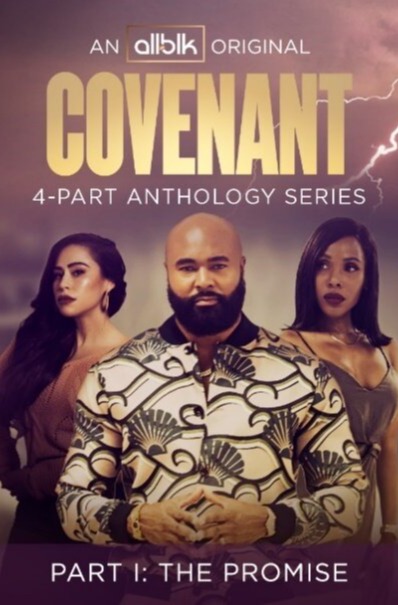
Story Editor, Covenant on AMC's ALLBLK, Executive Director & Founder Bridge 17

AZ Yeaman has sold nearly every script she's ever written. She has become the go-to for revisions, doctoring, whipping stories into shape, and pitch packages for Netflix, TVOne, Aspire TV, UMC Streaming, Bounce TV, and independent production companies. Most recently, she served as a Story Editor on Covenant on AMC's ALLBLK. AZ is passionate and focused, with a granite-hard work ethic. She focuses not only on pursuing and developing her career in script/story development but also on fostering exciting, new talent. Every day is an opportunity to do more, learn more. She's an admitted lifelong student, an absorber of sights, sounds, and sensations that make her a natural-born writer. AZ brings heart, energy, and clarity of vision to story development and screenwriting projects. Her students have created concepts in class, outlined, drafted, written, rewritten, and sold projects to networks. Full Bio »

Summary

"Great screenwriting is never heard, never read, it's felt."

- AZ Yeamen


Get Your Master Screenwriting Basics Certification Exclusively Through Stage 32
Keeping you on the cutting-edge of the entertainment industry, because we are the global online resource for creative professionals.

Spots Filled, if you would like to join in 2022 please contact edu@stage32.com!


Ready to master your craft?

Learn elite screenwriting fundamentals, in-depth story analysis strategies, writing techniques and more.

Stage 32’s online Master Screenwriting Basics Certification was designed for creative professionals looking to expand their knowledge to expert level by studying screenwriting course materials and taking our certification online. When earning a Master Screenwriting Basics Certification and becoming a certified screenwriter, choosing the right training is essential.

You've found the right place.


A Master Screenwriting Basics Certification from Stage 32 can help you expand your screenwriting career.

In 16 weeks over this 14-session course with 2 creative weeks for your own writing, you will be using a proven technique designed for emerging writers to rise above the pack. This certification contains functional skills to develop your craft with pacing, authentic storytelling, building your writing muscle, and basics of screenwriting. You will learn not only the techniques to step ahead of the pack with your writing, but you will also be working on perfecting your own writing technique.

Stage 32 is the worldwide leader in entertainment industry education and is a marketplace that connects creators with content producers. After you finish your certification you will earn an exclusive Stage 32 Certificate and Stage 32 will provide you resources to help take your new skills into the professional marketplace, including a career development meeting with an industry professional.


Get certified from a leading industry expert.

AZ Yeaman has sold nearly every script she's ever written. She has become the go-to for revisions, doctoring, whipping stories into shape, and pitch packages for Netflix, TVOne, Aspire TV, UMC Streaming, Bounce TV, and independent production companies. Most recently, she served as a Story Editor on Covenant on AMC's ALLBLK.

AZ is passionate and focused, with a granite-hard work ethic. She focuses not only on pursuing and developing her career in script/story development but also on fostering exciting, new talent. Every day is an opportunity to do more, learn more. She's an admitted lifelong student, an absorber of sights, sounds, and sensations that make her a natural-born writer. AZ brings heart, energy, and clarity of vision to story development and screenwriting projects. Her students have created concepts in class, outlined, drafted, written, rewritten, and sold projects to networks.


Ready to take the next step?

Our master screenwriting certification was designed by entertainment industry professionals for entertainment industry professionals to help you succeed. For less than $100 a week you will become a certified screenwriter and be given the tools you need to enter the professional market exlusively through Stage 32. 


PLEASE NOTE: This exclusive Stage 32 certification course is limited to 10 people and will be booked on a first come, first served basis. The opportunity to work this closely and for this long with an expert in the field is an incredibly unique and valuable opportunity. If you are interested, please book quickly. Once the spots are gone, they’re gone for good.

What You'll Learn

PART ONE: THE FUNDAMENTALS OF SCREENWRITING (8 Sessions)


Week 1 – Introduction, Method, and Screenwriting Basics

The best way to start scriptwriting is to know which format - TV or Film meets a writer's strengths by understanding the history. Knowing the history of a craft grounds the craftsperson in its true intention. We will discuss the differences when writing intense visuals versus dialogue-heavy mediums, character's journey versus development, and finding the path using a unique method I call - "The Spectrum."

  • Brief history of film and TV writing
  • Script Formatting
  • The base elements of a script
  • How to plot your character's emotional arch
  • Find your Character's journey (using spectrum).
  • Q&A

Handouts: How to make your words sing. Learn how and when to use scriptwriting emphasis in dialogue. It's not what you say, and it's how the emphasis is written.

Assignments:

  • Setting the world with an Emotional Mapping guide.
  • Identify emphasis with page reads from Whiplash and Spotlight


Week 2 – Approaching Story

The adage in storytelling goes, there are two types of story entrances – someone leaving town or someone new to town. This week's class will review the definition of story, choosing the proper arc type to best convey your story, obligatory scenes that are must-haves within specific genres, formats, and styles. As well as tone setting to help guide the story with proper pacing.

  • Breaking down Story “STORY = CHARACTER + DESIRE + OBSTACLE”
  • Story Arc Types
  • Obligatory Arc Beats
  • Shaping story based on genre – Obligatory scenes
  • Rinse & Repeat: opening image tone setting• Q&A

Handouts: Story Arc Types

Assignments:

  • One-page script story starting with the phrase: "If not now, when?"
  • We are rewriting your one-page script based on the assigned genre.


Week 3 – Scene Structure

Start early, leave late. Show don't tell. You've heard these, all before but how do you do this, exactly? This week we'll discuss a method I teach on character intentionality. Setting your character's motivation from their action, to dialogue, to what they're not saying. Techniques learned this week will show you how to write characters with meaning – no fluff – no fat.

  • Defining character motivation in each Scene.
  • Defining setting context to support scenes.
  • Handout: Scene Construction
  • Exercise: Read, Watch, Identify scene elements.
  • PCR method: Scene's Problem, Complication, and Resolution
  • Action Lines
  • Q&A

Handouts: Scene structure definitions

Assignments:

  • Read assigned pages from Gone Girl
  • Subtext introduction worksheet.


Week 4 – On The Page: Story Pacing, Dialogue, Your Authentic Voice

Write with style. Remember, this course is about finding your "authentic voice" to best market your script. Good writing is good writing, but sometimes, bad writing gets sold because the writer was authentic to their style of storytelling. We still need properly formatted scripts, but how do you have the reader emoting with your characters? This week we're going to dig into the writer's objectives and character's intentions.

  • Dialogue: TV vs. Film, two different histories, two different styles.
  • What the heck is story pacing, and how to use it?
  • Psychology of Character dialogue.
  • Writing succinct action lines.
  • Writing tone and style-specific character descriptions.
  • Dialogue: Character power shifting.
  • Internal vs. External conflict
  • Character vs. Scene Emotional intent.
  • Q&A

Handouts: How do you lie? - Selecting character traits.

Assignments:

  • Subtext Assignments 2, 3.


Week 5 – On The Page: Story Pacing, Dialogue Part 2

Subtext in scriptwriting is defined as a deeper meaning of text – what we see on screen. The visuals, actions, dialogue of a character. The build-up of enigma, obnoxiousness, and intrigue. This week, we'll use the tools we learned from previous weeks PLUS some new techniques to understand how to build a three-dimensional character and the world that supports, denies, and confirms them.

  • Subtext methods
  • Subtext: Traits of building a human.
  • Assignment Due: Opening 5
  • In-Class Assignments: Subtext Identification
  • 6-steps to Scene Structure.

Assignments:

  • Subtext Assignments 4, 5.
  • Opening 5 pages.


Week 6 – Let's talk it through…

  • One-on-One Consultations.
  • Q&A

Assignments:

  • Opening ten pages.


Week 7 – On The Page: Subtext Part 2

Have you ever watched a film or television that you didn't like just because you wanted to figure that one clue or red herring? Sure, you have. The writer gives meaning to symbols to create suspense, which suspends the audience into watching more. This week, we'll discuss how to write a carefully crafted scene that holds the audience's attention.

  • Subtext: Irony, Suspense, and Symbols
  • Assignment Due: Opening 10
  • Writing Internal vs. External Conflict.
  • Q&A

Assignments:

  • Opening ten pages – The rewrite.


Week 8 – Effects of Storytelling

The audience continues to read or watch your story because they are engaged. Tension-driven scenes create tension-driven character emotions that do tense acts that create a tense movie with payoff. The payoff comes mainly from the author; "what do you want to say in this film?" Your tools are character, connection, and emotion to communicate your thoughts on any given matter as a screenwriter. Your job is to share the problem that needs to be solved and the character that needs to change to resolve it. How?

  • Audience Psychology; when to make them feel what.
  • Connect the audience to the character:
  • Pity/Feeling Sorry
  • Undeserved Misfortune
  • Evoke Hope
  • Hope Creates Worry
  • Create Jeopardy (For Constant Engagement)
  • Q&A

Assignment Due:

  • Opening 10 pages


PART TWO: 4-WEEK SCRIPT ANALYSIS (4 Sessions)

This section will analyze screenwriting methods used in iconic series and landmark films and explore narrative approaches that support character, series engines, and film construction, with a thorough understanding of the three-act structure.

Week 1 and 2 will concentrate on two pilot episodes, one comedy, one drama. Week 3 and 4 will focus on two iconic films.


Week 1 – Introduction, Narrative Approach, Screenwriting Methods, and Techniques.

Know what you're going to do, say what going to do, do it, then do it differently.

  • Writer's perspective in viewing the narrative story.
  • Screenwriting Methods and Techniques
  • Character identity formation and reformation
  • Social Perspective
  • Dramaturgy
  • Character development, themes, and connection to the audience.
  • Q&A

Assignments:

  • Series Pilot watch and read.


Week 2 – Screenwriting Methods and Techniques when Developing Character

  • Analyzing openings that create empathy and connection with the character.
  • Analyzing planting and payoff techniques.
  • Examine character arc in iconic series.
  • Examine the writer's point of view.
  • Technique section one: setting breadcrumbs/planting, payoff, and twist.
  • Q&A

Assignments:

  • Technique mapping exercise.
  • Film, watch and read.
  • First Test.


Week 3 – Acts, Sequence, and Scenes

  • Analyzing scene setups.
  • Examining themes.
  • Exercise: Scene study – exposition and reveal.
  • Technique section two: character arc consistency and public persona reveal.
  • Q&A

Week 3 Handout: Scene Construction

Assignments:

  • Technique building worksheet
  • Film, watch and read.


Week 4 – Character Arc development in Acts, Sequence, and Scenes

  • Analyzing assigned film three-act structure.
  • Examining audience connection.
  • Studying plants and payoff in film (understanding callbacks).
  • Course Review.
  • Q&A

Second Test.


2-WEEK ASSESSMENT

Over the final two weeks of this course, we will test writers on the basics of act, act breaks, sequence, scenes, and classic teleplay writing techniques.


PART THREE: ASSESSMENT AND CERTIFICATION (2 Sessions)

Over the final two weeks of this course, we will test writers on the basics of act, act breaks, sequence, scenes, and classic teleplay writing techniques.

Week 1: Preparing for Certification

Screenplay basics certification is next week, so let’s sort through any information you may be unclear about - script, character development, story structure… let's work through it all.

Caveat -- we’ll be working on your scripts. We’ll split into two groups; Group A Film focused writers/Group B TV focused writers. As a group, using the script review handouts, each group will assess their individual script (first 10 pages) and work together to address the fixes based on the lessons learned through the course week.

Handout: Practice Assessment

Assignments:

  • Complete practice assessment.
  • Polish your script.


Week 2: Screenplay Assessment & Certification Test

FILM TRACK (Group A) Week 2 – Screenplay Assessment review.

  • Q&A session to review all materials covered over the course.


TV TRACK (Group B) Week 2 – Teleplay Assessment review.

  • Q&A session to review all materials covered over the course.


CONCLUSION: MASTER SCREENWRITING CERTIFICATION TEST 

Over the course of 14 sessions you will be tested on what you've learned -- After you finish your certification you will earn an exclusive Stage 32 Certificate and Stage 32 will provide you resources to help take your new skills into the professional marketplace, including a career development meeting with an industry professional.


About Your Instructor

AZ Yeaman has sold nearly every script she's ever written. She has become the go-to for revisions, doctoring, whipping stories into shape, and pitch packages for Netflix, TVOne, Aspire TV, UMC Streaming, Bounce TV, and independent production companies. Most recently, she served as a Story Editor on Covenant on AMC's ALLBLK.

AZ is passionate and focused, with a granite-hard work ethic. She focuses not only on pursuing and developing her career in script/story development but also on fostering exciting, new talent. Every day is an opportunity to do more, learn more. She's an admitted lifelong student, an absorber of sights, sounds, and sensations that make her a natural-born writer. AZ brings heart, energy, and clarity of vision to story development and screenwriting projects. Her students have created concepts in class, outlined, drafted, written, rewritten, and sold projects to networks.

Schedule

PART ONE

Sunday January 2 – 10am-12pm PST

Sunday January 9 – 10am-12pm PST

Sunday January 16 – 10am-12pm PST

Sunday January 23 – 10am-12pm PST

Sunday January 30 – 10am-12pm PST

Sunday February 6 – 10am-12pm PST

Sunday February 13 – 10am-12pm PST

Sunday February 20 – 10am-12pm PST


PART TWO

Sunday March 6 – 10am-12pm PST

Sunday March 13 – 10am-12pm PST

Sunday March 20 – 10am-12pm PST

Sunday March 27 – 10am-12pm PST


PART THREE

Sunday April 10 – 10am-12pm PST

Sunday April 17 – 10am-12pm PST

FAQs

Q: What is the format of a class?
A: Stage 32 Next Level Classes are typically 90-minute broadcasts that take place online using a designated software program from Stage 32.

Q: Do I have to be located in a specific location?
A: No, you can participate from the comfort of your own home using your personal computer! If you attend a live online webinar, you will be able to communicate directly with your instructor during the class.

Q: What are the system requirements?
A: You will need to meet the following system requirements in order to run the webinar software: Windows 7 or later Mac OS X 10.9 (Mavericks) or later.
If you have Windows XP, Windows Vista and Mac OS X 10.8 (Mountain Lion): The webinar software does not support these operating systems. If you are running one of those operating systems, please upgrade now in order to be able to view a live class. Upgrade your Windows computer / Upgrade your Mac computer

Q: What if I cannot attend the live class?
A: If you attend a live online class, you will be able to communicate directly with your instructor during the class. If you cannot attend a live class, you will have access to the entire recorded broadcast, including the Q&A. Plus, your instructor will be available via email throughout the lab.

Q: Will I have access to the lab afterward to rewatch?
A: Yes! After the purchase of the lab, you will have on-demand access to the video recording, which you can view for one month after the class is complete.

Testimonials

~Chris Strickland

First and foremost, AZ is AMAZING! The information provided, the examples, the illustrations, the assignments were all geared towards equipping us to become great script writers. I MUST take the course again. Nothing but applause for AZ and her style of teaching.


~Rachel Cuyler

If you’re someone like me who keeps saying they want to be a writer, this is the place to start taking that seriously. AZ is informative and fast-paced, encouraging you to rise to the occasion with every assignment.

Questions?

If you have a generic question about Stage 32 education you can take a look at our frequently asked questions section on our help page, or feel free to contact support with any other inquiries you might have.

Other education that may be of interest to you:

Stage 32 4-Part Screenwriting Class: How to Write Subtext in Your Screenplay + 3 Writing Exercises

  This class has a 100% satisfaction rating! Available on-demand for immediate viewing   Uncover the hidden power of your characters' voices with our exclusive 4-part Stage 32 class with AZ Yeamen, Story Editor of the hit AMC ALLBLK miniseries COVENANT. Ever wondered why your favorite movies linger in your thoughts long after the credits roll? It's the layers of meaning, the unsaid messages, the subtext that adds depth and memorability. Now, you have the chance to master this crucial element of storytelling that sets your work apart. In this immersive class, AZ Yeamen will personally guide you through the art of weaving subtext seamlessly into your screenplay. Imagine honing the same tips, tricks, and techniques used by successful screenwriters to elevate your writing to a professional level - now you can through not only learning how to write subtext, but you will be challenged with 3 writing exercises to help you get better! The challenge lies in finding that sweet spot between too much and too little subtext. AZ helps you navigate this, ensuring your subtext enhances rather than overwhelms or confuses your audience. Success in the industry demands mastering subtext – it breathes life into your characters, forges deep connections, and crafts complex, resonant stories. Don't miss this opportunity to stand out in the competitive field of screenwriting. Join our 4-session on-demand course and gain functional skills to infuse subtext into your dialogue, plot, and storytelling. Walk away armed with the expertise and tools needed to make your screenplays irresistible to producers, agents, and captivated audiences. It's time to elevate your craft and make your mark – start now!   Testimonials from AZ's Course: "First and foremost, AZ is AMAZING! The information provided, the examples, the illustrations, the assignments were all geared towards equipping us to become great scriptwriters. I MUST take the course again. Nothing but applause for AZ and her style of teaching." -- Chris S "Not only does AZ know her stuff, but she articulates it very well. I highly recommend working with her no matter what stage your project is at. She'll work with you to take it from good to great." -- Alyssa B.    

Write Your Professional Feature or One-Hour Script Outline in 8 Weeks

A New Lab for Stage 32 Writers! Payment Plans Available - Contact edu@stage32.com For More Information Only 3 Spots Still Available - Don't Miss Out Your chance to be mentored by a professional writer who has worked with Netflix, TVOne, Aspire TV, AMC, Bounce TV, and more. Write your feature or television pilot outline in 8 weeks while being mentored by a professional screenwriter and script consultant! Screenwriting is often described as a solitary craft. Many writers embrace this option, but we've got a better option for you to explore your narrative work. In this exclusive Stage 32 lab, you'll work with a professional screenwriter to learn every aspect of screenwriting story structure and put it into practice as you write your own feature film or television pilot outline in 8 weeks. The eight-sequence structure taught in this lab is used widely in the industry. The writers who live and breathe this structure are some of the most creative working writers as they instinctively understand the framework, allowing their minds to focus on the emotional journey of the characters and find innovative ways to tell their stories. Outlining is a crucial step in the development process when working with executives and representation, who often must approve an outline before the writer can start writing their script.  Over eight sessions, you and a group of passionate screenwriters will dive deep into screenwriting structure, focusing on one sequence each week, and applying what you've learned to your script's professional outline throughout the lab. You'll cover world-building, character dimensionality, pacing techniques, and more along the way.  Taking you through story structure is AZ Yeamen, a writer and consultant who has sold nearly every script she’s ever written, and now she’s giving writers an incredible crash course in screenwriting based on her years of industry experience. AZ has become the go-to for revisions, doctoring, whipping stories into shape, and pitch packages for Netflix, TVOne, Aspire TV, UMC Streaming, Bounce TV, and independent production companies. She most recently served as a Story Editor on Covenant for AMC's ALLBLK. AZ has mentored countless up-and-coming writers, and her students have sold projects to networks and won numerous screenwriting competitions. With limited spots available, you’re guaranteed hands-on guidance and an interactive experience with AZ. These spots are first-come, first-serve, so don't miss out on working with AZ and walk away with a strong outline and a better understanding of how working writers structure their scripts. PRAISE FOR AZ'S PREVIOUS STAGE 32 EDUCATION: "If you’re someone like me who keeps saying they want to be a writer, this is the place to start taking that seriously. AZ is informative and fast-paced, encouraging you to rise to the occasion with every assignment." -- Rachel Cuyler "First and foremost, AZ is AMAZING! The information provided, the examples, the illustrations, the assignments were all geared towards equipping us to become great script writers. I MUST take the course again. Nothing but applause for AZ and her style of teaching." -- Chris Strickland

4 Steps to Writing Your Feature Film First Draft

An essential screenwriting class with the Top Story Editor of Covenant on AMC's ALLBLK In this on-demand, four-session class exclusively through Stage 32, you’ll learn proven techniques designed for emerging writers to write your first draft with help from a professional screenwriter, teacher, and script consultant. You’ll learn how to create your logline to test the strength of your idea while brainstorming, conduct character analysis to form the emotional journey at the core of your story, break your story into sequences, run crucial reports to analyze your script’s strengths, and more. Your expert instructor, AZ Yeamen, has sold nearly every script she’s ever written. She uses the techniques in this course for her own stories and teaching emerging writers, helping them rise above the pack, selling projects to networks, and placing in many screenwriting competitions. AZ continues to hone her own skills as a writer, consultant, and founder of Bridge 17 Scriptwriters’ Studio. She has become the go-to for revisions, doctoring, whipping stories into shape, and pitch packages for Netflix, TVOne, Aspire TV, UMC Streaming, Bounce TV, and independent production companies. She most recently served as a Story Editor on Covenant on AMC's ALLBLK. AZ doesn’t just teach you how to craft a story. She teaches you how to bring your voice to the forefront, tailoring your script to your authentic voice so that it stands out. By the end of the four lessons, you’ll have functional skills to develop your script with pacing and authentic storytelling while building your writing muscles and understanding the most important screenwriting essentials. Any writer that successfully applies these lessons using their own unique voice will have the skills to write a memorable script ripe for production.  Testimonials from AZ's Stage 32 Course: "First and foremost, AZ is AMAZING! The information provided, the examples, the illustrations, the assignments were all geared towards equipping us to become great scriptwriters. I MUST take the course again. Nothing but applause for AZ and her style of teaching." -- Chris S. "Not only does AZ know her stuff, but she articulates it very well. I highly recommend working with her no matter what stage your project is at. She'll work with you to take it from good to great." -- Alyssa B.  

Your Definitive Legal Guide to Distribution Deals: 2-Part Intensive Class

Your Definitive Legal Guide to Distribution Deals: 2-Part Intensive Class "Very informative. Sean is very knowledgeable and charismatic. When questions were asked, he gave full and complete answer. I highly recommend taking Sean's webinar."   Learn from one of the top entertainment attorneys in Hollywood who has worked on hundreds of film & TV projects!   Distribution can often be confusing, complicated, and murky territory, and there are many common pitfalls filmmakers of all levels fall into when navigating. It can feel like you need a law degree and a special glossary just to understand the rights you’re giving away, along with the territories, fees, expenses, residuals, and everything else that comes along with a distribution deal. But you don’t need to pass the Bar to find success in seeking distribution. Gaining a keener understanding of the process and how agreements work can empower you as a filmmaker to negotiate a distribution deal that’s right for you and your film. Sean Pope is a Senior Associate at Ramo Law PC, one of the largest and most respected entertainment law firms in Hollywood, where he works with producers and production companies focusing on all aspects of production legal services from development to distribution. Prior to joining Ramo Law, Sean worked at a boutique entertainment transactional and litigation firm providing legal services for producers, writers, actors and musicians. His past projects include the upcoming Liam Neeson thriller HONEST THIEF, Netflix documentary THE BLACK GODFATHER, and hit Netflix docu-series CHEER. Sean has helped countless filmmakers negotiate fair distribution deals and make the most out of their film, and is ready to share what he knows exclusively with the Stage 32 community. In this advanced level, intensive on-demand two-part class, Sean will walk you through the nuts and bolts of distribution deals and zero in on the provisions and clauses you need to understand when negotiating your own distribution and sales agreements. Sean’s exhaustive rundown will leave you with a much deeper understanding of what agreements look like, what you should be looking for, and how to avoid pitfalls along the way.

How To Write A Comedy Pilot Executives Will Want To Read

In this Stage 32 Next Level Webinar, your host Michael Poisson will teach you how to write a kick-ass comedy pilot that will get executives’ attention. This webinar is not only about how to properly execute writing a comedy pilot, but also about how to make it your strongest sample so that it can get noticed! You will leave the webinar knowing: The 3 most important things Producers/Execs look for in a pilot as they relate to concept, structure and voice. How to properly highlight your unique comedic voice and stuff your script with laughs. How to create a crisp 1-2 sentence pitch that will get executives excited about your idea. How to navigate the competitions and fellowships. How to think from a Producer/Manager/Executives POV and understand what they're looking for so you can apply it to your script. Michael Poisson is a former Director of Development who's worked for Ryan Reynolds TV production company DarkFire TV, Krysten Ritter's company Silent Machine and CAA and is now a writer on Netflix's Raising Dion. This background gives has given Michael a unique perspective for what kind of script stands out among the hordes on everyone’s “Weekend Read” lists and he is here exclusively with Stage 32 to share that knowledge with you. PRAISE FOR MICHAEL'S TEACHINGS: He was amazing -- professional, articulate and knew his subject inside-and-out! – Jan S. It was very obvious Michael knows [his stuff]. He was very organized and I feel like he answered many questions that I've had for years. Thank you so much. – Betty S. Michael was sensational; one of the few who can actually DO a webinar and keep an interest. Nice voice inflection and tone; no distracting "um's" and such. Great material; learned a ton! - Geno S. Very informative and in great detail and explanation, Michael. Time very well spent. – Jean B. Excellent seminar with relevant information. Great job. – Matthew M. I really found the examples [he] references on current programs and series very useful. The information was concise and allowed me to visualize my next steps. – Ashanti G. He was excellent! – Tina F. Good information, well thought out, organized and easy to follow. Many useful takeaways. Thanks Michael!! – Lesa B.

Top 5 Best Practices Before the Launch of Your Successful Digital Series (Web Series)

  Internet TV is not “TV light”, in fact it’s not TV at all. It’s a completely different sandbox than TV and while many of the rules of the game are the same, there are distinctly different rules you must know before you break them. In this informative and entertaining seminar, Digital Strategist and Web Series Launch Expert, Brian Rodda outlines the Top 5 things to consider while in pre-production for your digital series. Items to be discussed are: Appropriate length and form specific to different video distribution platforms (Youtube vs. Vimeo vs. Netlfix, etc…) casting/working with a Digital Influencer, expanding your world with Ancillary Content, Marketing Budgets, securing social media real estate and so much more! To read the Television Academy's interview with Brian click here!

register for stage 32 Register / Log In