THE STAGE 32 LOGLINES
Post your loglines. Get and give feedback.

THE HARVEST OF QUIET
By Phil A Tufi
When proof of non-human intelligence is released to the world, a Denver-based sound engineer discovers the revelation is activating an unseen predatory system that feeds on human fear. As global panic escalates, Evan must uncover the truth behind the phenomenon and determine whether humanity can survive not an invasion, but its own emotional response.
SYNOPSIS:
THE HARVEST OF QUIET
The world changes overnight when definitive evidence confirms humanity is not alone.
Governments call it a revelation. The media calls it history. Crowds gather in awe and terror as the announcement spreads across every screen, every language, every continent.
In Denver, Colorado, EVAN CARTER, a quietly brilliant but outwardly unremarkable sound engineer, begins to notice something no one else does. Working in acoustic analysis and signal diagnostics, Evan is accustomed to finding patterns buried beneath noise. As the global reaction to the announcement unfolds, he detects a disturbing anomaly: fear itself is synchronizing.
Emotional spikes begin aligning across cities, populations, and time zones. Panic surges follow the same curves. The same rhythms. As if tuned to an invisible frequency.
Soon, unexplained phenomena emerge. Mass nightmares. Emotional breakdowns. Sudden violence with no clear catalyst. People across the world report the same sensations, the same images, the same overwhelming dread, despite never having met.
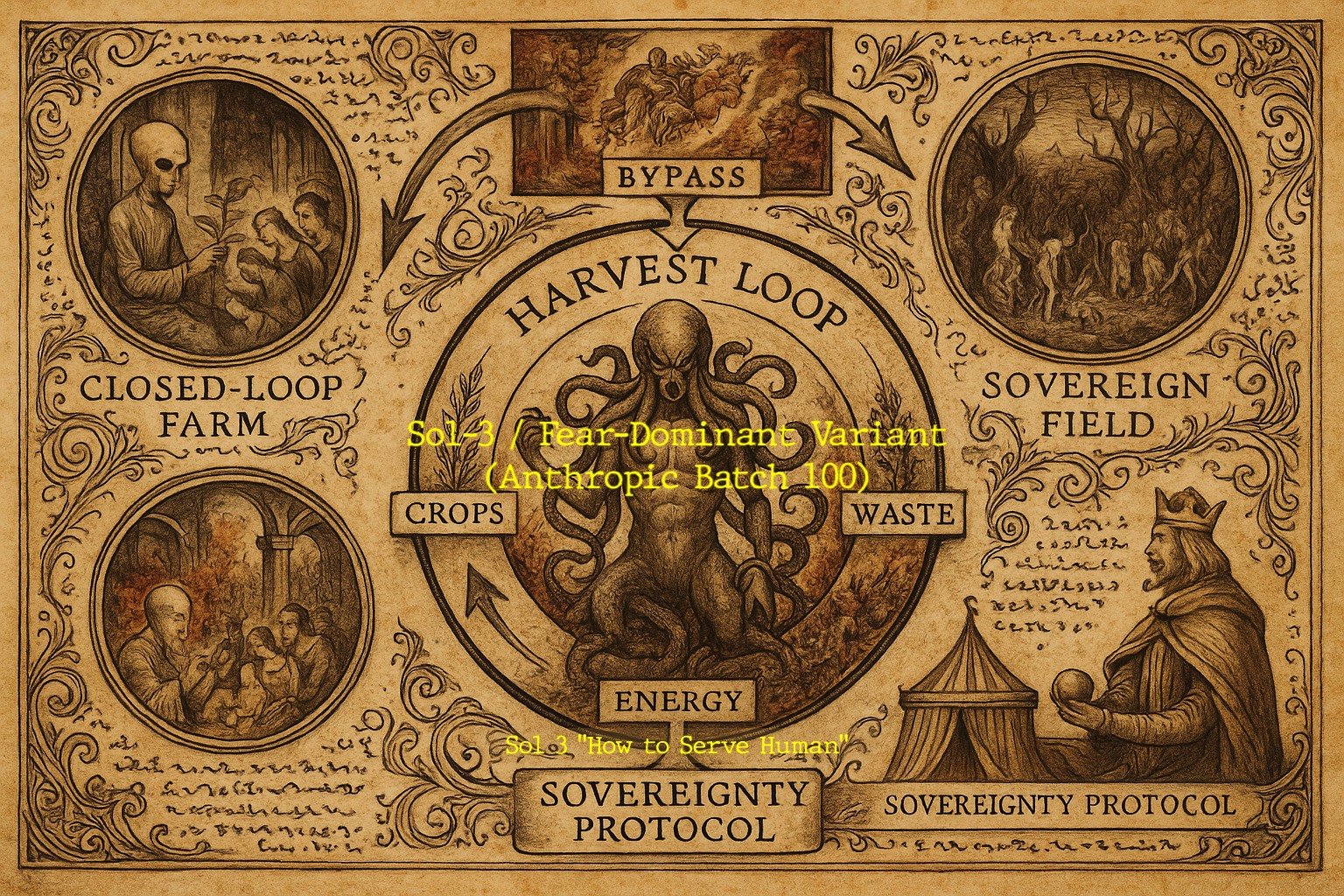
As Evan digs deeper, he uncovers a terrifying truth. The intelligence revealed to humanity does not arrive from the stars. It has always existed alongside us, operating across higher dimensions, sustained by emotional energy. Fear is not a byproduct of disclosure. It is the resource.
As governments attempt to manage the narrative and suppress unrest, Evan crosses paths with a clandestine network devoted to stabilizing human consciousness and disrupting the feedback loop that feeds the entities. Their methods are nonviolent, unconventional, and increasingly dangerous in a world addicted to panic and spectacle.
With global fear nearing a critical threshold, Evan must choose between exposing the truth and risking mass hysteria, or attempting a quieter intervention that could save humanity without ever being acknowledged.
The question is no longer whether we are alone. It is whether we can remain human.
COMPARABLE FILMSClose Encounters of the Third Kind (1977) – for awe and existential scale The Conversation (1974) – for paranoia, sound, and perception Invasion of the Body Snatchers (1978) – for quiet societal dread Stalker (1979) – for metaphysical unease and unseen forces Jacob’s Ladder (1990) – for psychological terror and fractured reality Under the Skin (2013) – for alien presence without exposition
WHY THIS WORKSHigh-concept, explainable in one sentence
Emotionally grounded and character-driven, not effects-driven
U.S.-centered perspective with global relevance
Sci-fi horror focused on psychology rather than spectacle
Contemporary themes delivered through a restrained, prestige lens
Designed as a standalone feature, not dependent on franchise logic
WHY NOW?Audiences are increasingly drawn to elevated genre films that feel timely, intelligent, and grounded in real-world anxiety. THE HARVEST OF QUIET taps into a contemporary fear that is already shaping behavior and culture: the rapid spread of panic, misinformation, and emotional contagion at a global scale. By framing fear itself as the threat, the film delivers a high-concept premise that is easy to market while remaining production-efficient and performance-driven. This is a contained, prestige-leaning sci-fi thriller designed to engage audiences looking for meaningful spectacle without franchise dependency or excessive budget demands.
DIRECTOR’S VISIONThe film is built around restraint and trust in the audience. Fear is suggested, not announced. The camera lingers, listens, and observes as patterns slowly emerge. Sound and silence function as narrative tools, revealing emotional shifts before characters consciously recognize them. The story avoids easy explanations, favoring implication and rhythm, allowing the audience to connect the dots alongside the protagonist. The intention is not to shock, but to unsettle, creating a quiet dread that mirrors the emotional systems the film explores.
 Register / Log In
